Many individuals select an electric bicycle based on speed and/or aesthetics; however, after the purchase of their electric bicycle, they realise that the true criteria for choosing an electric bicycle was the e-bike battery. Then regret arrives with range, performance errors, or rapid depletion of the battery.
The battery is not only another component of your electric bicycle; it is responsible for your electric bicycle's range, safety, and lifespan. In other words, it governs how far you are able to ride, the safety of your ride, and how long your electric bicycle will last.
In this guide, you will learn about the different types of electric bicycle batteries, how range works, how to develop a battery charging routine, and how to select the correct electric bicycle battery for your day-to-day usage in India.
Electric Bicycle Battery Types
A few common types of electric bicycle batteries; each battery type has a different performance compared to each usage:
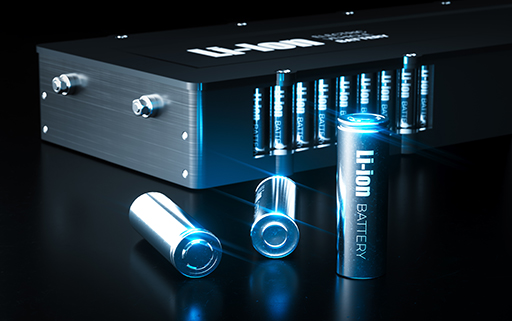
- Lithium-Ion (Li-Ion) - Light, fast charging, long life
Best for: City commuting and long-term use - Lithium Polymer (LiPo) - Compact and lightweight
Best for: Performance Riding - Lithium Manganese Oxide - Better heat resistance
Best for: Hot Indian Summer Months
The majority of riders will find that a lithium-ion battery e-bike is the best choice for Indian roads, traffic and weather.
Battery Capacity and How Range Works
If your electric bicycle can travel approximately 40 km on a single charge, the battery that is being used on your electric bicycle is a 500Wh battery.
Wh (Watt hours) is the measurement of how much energy your electric bicycle battery can hold.
Tip - A 400 to 500 watt-hour (Wh) setup is sufficient for daily commuting in India (20 to 30 km).
However, the actual range you will get out of the e-bike battery is highly dependent on factors such as:
- Weight of the rider
- Inclines on the roads you are riding on
- The level of assistance you are using
- Tyre pressure
- Stop-and-go traffic
So even if you have purchased the best e-bike battery in India , it will not perform the same way for you based on how you actually ride.
Battery Management Systems (BMS)
- A Battery Management System (BMS) is like cruise control for your battery.
- In simple terms, a BMS prevents overcharging/overheating/deep discharge of the e-bike battery, keeping it healthy.
The importance of a BMS cannot be overstated; regardless of the quality of the battery, if there is no BMS, the battery for an e-bike generally will not last long.
Charging Habits That Extend Battery Life
- All batteries will generally have an operational life of 500 to 1000 charge cycles based on how well you treat them.
The following are good charging habits for your e-bike battery:
Do:
- Always charge the battery to 20 to 30%.
- Store at room temperature.
- Charge with the original charger only.
Do Not:
- Regularly charge your battery overnight.
- Fully deplete your battery.
- Leave your battery in direct sunlight during the summer in India.
If you follow these good charging habits, you can significantly increase the lifespan (years) of your e-bike battery.
Basic Maintenance and Safety
- Basic maintenance is easy for your e-bicycle battery:
- Check it every month for swelling/leaking.
- Keep it dry in the monsoon.
- Gently clean the charging port.
- Only recycle the battery through authorised recycling centres.
If you follow basic maintenance and safety procedures, you should have no issues with using your e-bike battery maintenance practices.
How To Choose The Right E-Bike Battery
The best way to select a battery for e bike is to select it based on your lifestyle and not the cost of the battery.
- 400 Wh lithium-ion battery for a daily ride of 30 km.
- 500 Wh plus when at steep inclines or the average weight of riders on E bicycles is heavy.
- Crystalline (Li-MNO) lithium-ion battery for use in hot climates.
- A battery with no BMS should not be purchased due to budget constraints.
Always remember to evaluate the electric bike battery type choice based on your actual riding needs as opposed to simply based upon specifications.
The best battery for any rider is the battery that meets their riding needs.
Waaree Tech: Built for the Way India Rides
The battery is the single most important factor in your e-bike's day-to-day performance and long-term value. Get it right, and you will have a reliable, cost-effective ride for years.
The good news is that choosing well is not complicated. Match the capacity to your actual riding distance, pick Li-Ion for most use cases, make sure BMS is included, and build a few simple charging habits into your routine.
At Waaree Tech, our e-bikes are engineered for real Indian riding conditions: the heat, the humidity, the stop-and-go of urban commutes, and the unpredictable roads. If you want clean, practical mobility without compromise, we would love to help you find the right fit.
FAQs
- 1. Which kind of battery should you choose for your e-bike in India?
Lithium-ion batteries are considered the most balanced option for e-bikes in India due to their performance, range, and durability.
- 2. How long does an e-bike battery last in India?
An e-bike battery typically lasts around 3 to 5 years or between 500 and 1,000 charge cycles, depending on usage and maintenance.
- 3. Which parameters can affect the distance I can travel using my battery-powered e-bike?
Factors such as rider weight, terrain type, assistance mode, tyre pressure, and traffic conditions can affect the travel range of a battery-powered e-bike.
- 4. Can I safely recharge my e-bike battery during the night hours?
Yes, e-bike batteries can be charged overnight, but it is generally recommended to avoid overcharging and disconnect the charger once the battery is fully charged.
- 5. How do I understand my e-bike battery needs replacement?
Signs that an e-bike battery may need replacement include reduced range, slower charging, swelling of the battery pack, and noticeable performance decline after several years of use.
Are Lithium Batteries Going to Be Replaced by Sodium Batteries?
Previous Blog



Blog Comment Form