Best Lithium-Ion Battery for Solar Panels & Home Inverters
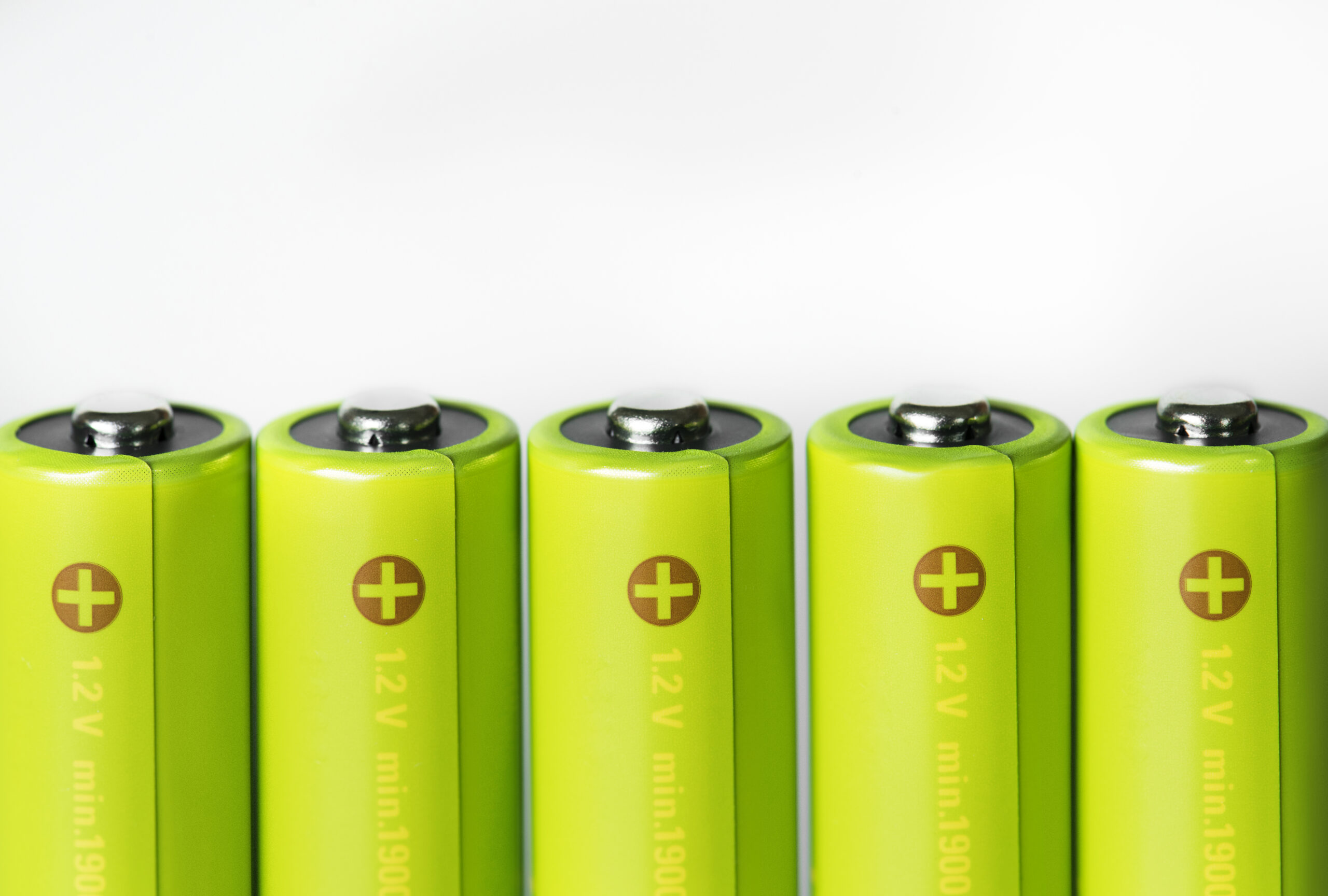
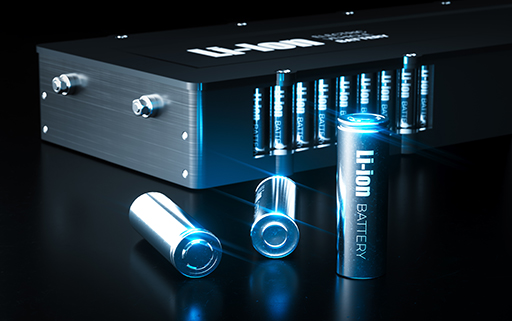
The need for effective energy storage has also increased exponentially over the past few years, especially with the rise in popularity of solar power for residential as well as commercial usage. Among all the alternatives, lithium ion battery inverters have become the most trusted option for use in solar panels and inverters. With their long lifespan, sleek design, and excellent performance, lithium-ion batteries offer the perfect balance between long-term cost savings and continuous power supply.
Why Lithium-Ion Batteries are the Top Choice
When combined with solar panels, lithium-ion batteries, solar energy can be conserved and stored for use in the evening or during power outages. A lithium ion battery solar system provides greater depth of discharge, quicker charging, and a longer lifespan. They not only minimize the use of grid electricity but also lower monthly electricity bills substantially.
Lithium ion batteries are lighter in weight and smaller in size, and can easily be installed and serviced in homes and offices.
Benefits of Lithium-Ion Battery Inverters
- Lithium ion battery inverter require lesser maintenance unlike traditional batteries.
- They are compatible with inverters and offer consistent performance even in heavy loads. Whether you want to use household appliances, computers, or air conditioners, these inverters offer a safe and reliable solution.
- Lithium ion batteries charge fast, and are energy efficient, making them apt for days when sunlight is less.
Learning the Cost of Lithium-Ion Batteries
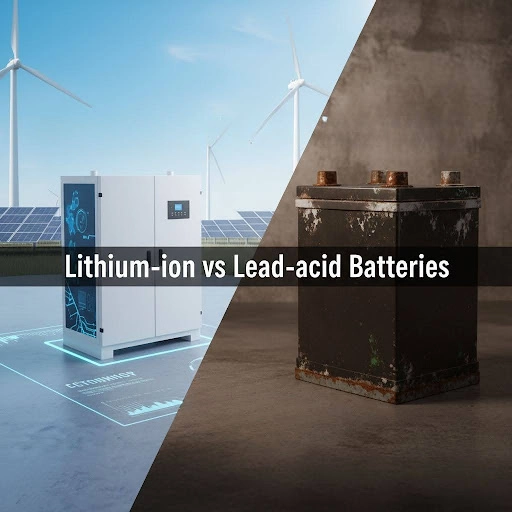
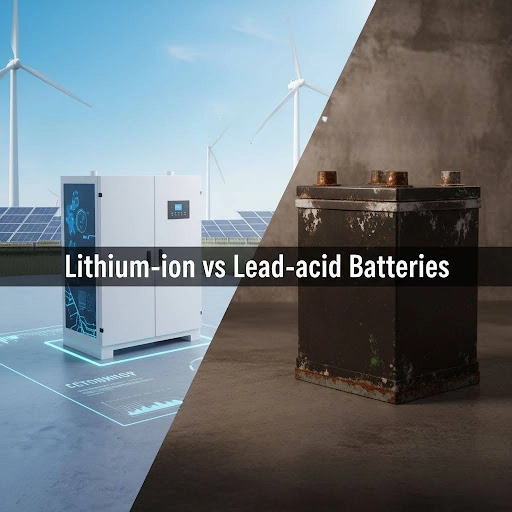
One general concern for most buyers is the price of lithium ion batteries. Although the initial cost of lithium ion batteries is more than lead-acid batteries, they are cost effective solutions requiring lesser maintenance and are long-lasting, durable translating to fewer replacements in the long run. They provide dependable performance without regular water topping or extensive servicing.
Lithium-Ion Battery Solar Solutions for Homes
For household consumers, having a lithium ion battery solar system in place guarantees optimal utilization of renewable energy. Extra electricity produced throughout the day can be stored and utilized later on, minimizing dependency on the grid. This comes in handy where power cuts are recurrent. Households can have continuous access to energy and also help in the adoption of a green living culture.
Important Things to Consider Before Purchasing
Energy Requirements: Evaluate one’s energy requirements and pick the right capacity required.
Space and Installation: Account for the compact design benefit of lithium-ion when designing installation.
Quality Standards: Compare different batteries and providers, the quality standards mentioned and go for ones that are internationally approved like the ones from Waaree RTL.
System Compatibility: Before picking a lithium ion battery, first make sure to check its compatibility with your inverter and solar panel system.
Lithium-ion batteries have set a new benchmark for solar energy storage. Be they installed in a lithium ion battery inverter, assessed on the cost of lithium ion battery, or combined in a lithium ion battery solar system, they deliver unparalleled efficiency, reliability, and long-term cost savings. For residences and businesses that want to maximize solar energy, lithium-ion is the intelligent and eco-friendly solution.
FAQs
- 1. For how long does a lithium-ion battery inverter last?
A well-maintained lithium-ion battery inverter will typically last 8 to 12 years.
- 2. Is the price of a lithium ion battery worth it?
Yes. The higher initial investment is offset by long-term lifespan, efficiency, and extremely low maintenance.
- 3. Will lithium-ion batteries work with any solar panel system?
The majority of solar systems today are built to operate effortlessly with lithium-ion batteries.
- 4. Why should I opt for a lithium ion battery solar solution?
Lithium ion batteries help conserve solar energy for future use, and reduce electricity consumption.
- 5. Does a lithium-ion battery need regular maintenance?
No. Unlike lead-acid, lithium-ion needs very little maintenance, and hence they are very convenient.
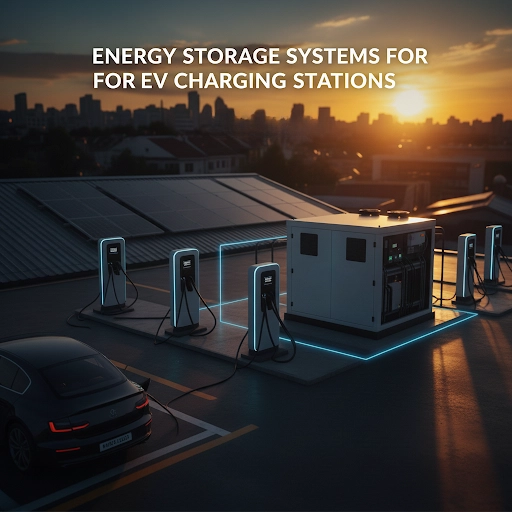
Energy Storage Systems for EV Charging Stations
Previous Blog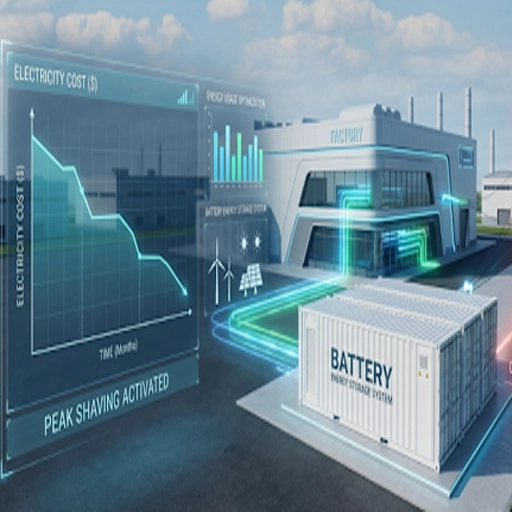



Blog Comment Form